
Burn. Store. Share. Your Digital Canvas…
-

50 Pack 3″ 8cm White Surface Printable Mini Recordable Blank DVD-R Discs Disk for DVD VCR Video Camera 1.4GB/30min 1-8X (W…
-
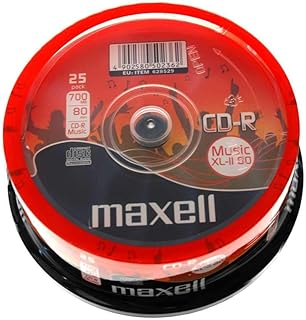
MAXELL CD-R XLII 80 Audio Spindle 25 recordable Discs Blank Media
Price: $34.62 The Maxell CD-R boasts a significant recording capacity…
-

Tama Electronics Industries TH30CA12K TDK Type-C USB Cable, USB 2.0, 3.7 ft (1.2 m)
Price: $28.33 Cable Length: Approximately 4.9 feet (1.2 meters), not…
-
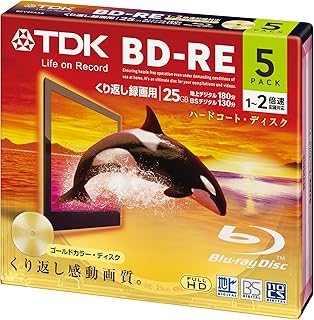
TDK Blu-ray BD-RE Re-writable Gold Color Disk 25GB 2x Speed 5 Pack | Blu-ray Disc Rewritable Format Ver. 2.1 (Japan Import)
Price: $57.58 No description available. Shop Now
-
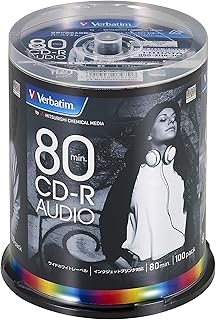
Verbatim Japan MUR80FP100SV2 CD-R for Music, 80 Minutes, 100 Sheets, White Printable, 48x Speed
Price: $51.79 Music CD-R / 48x Recording Support / 80…
-

FHIEORY GH000811A TDK Printhead for SATO M8400RVe CL408 CL408e Thermal Barcode Printer 203dpi Genuine LH4440K
Price: $878.40 — Experience superior printing quality with the Genuine…
-
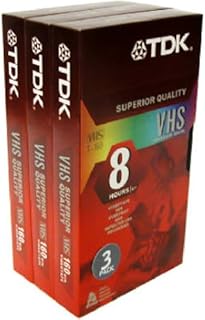
IMATION T-160HSS3 Tape DeckNot Applicable ( Pack of 3 )
Price: $70.92 Experience continuous recording with our pack of 3…
-
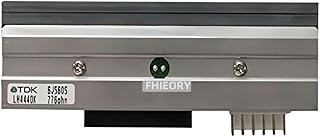
FHIEORY GH000811A TDK Printhead for SATO M8400RVe CL408 CL408e Thermal Barcode Printer 203dpi Genuine LH4440K
Price: $878.40 Experience superior quality printing with the GH000811A TDK…
-
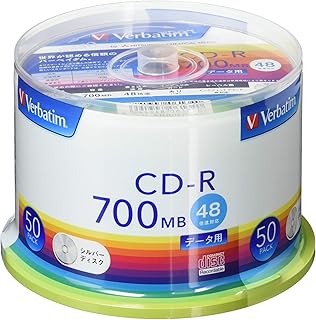
Verbatim Japan SR80FC50V1 Single Recording CD-R 700MB 50 Sheets Silver Disc 48X Speed
Price: $30.82 — This high-quality, single-use CD-R allows for up…
-
FHIEORY GH000671A TDK Printhead for SATO CL612 CL612E Thermal Barcode Printer 300dpi Genuine LH6409AK
Price: $1,150.02 GH000671A TDK Printhead – A Genuine Component for…
-
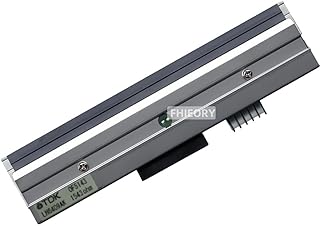
FHIEORY GH000671A TDK Printhead for SATO CL612 CL612E Thermal Barcode Printer 300dpi Genuine LH6409AK
Price: $1,150.02 — Experience high-quality printing with the Genuine TDK…
-
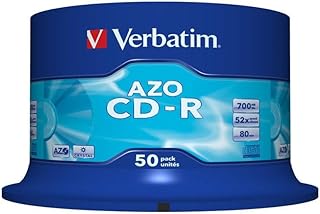
Verbatim 43343 700MB 52x CD-R AZO Crystal 50 Pack Spindle
Price: $46.48 Product Description: Experience superior quality recordings with the…
-

Verbatim VBR260RP20SV1 Blu-ray Disc for Single Recording, BD-R DL, 50 GB, Single Side, 2 Layers, 1-6x, 20 Cards, Recorders…
Price: $54.48 Superior quality disc, meticulously produced under stringent quality…
-

Smart Buy 10 Pack Bd-r Dl Printable White Inkjet 50gb 6x Blu-ray Double Layer Recordable Disc Blank Data Video Media 10-di…
Price: $48.86 Smartbuy Features: Our Blu-ray disc boasts a storage…
-

Victor Music CD-R AR80FP20J1 (48x/20 Sheets), White
Price: $36.49 Music CD-R with a capacity of 80 Minutes…
-

Verbatim Japan SR80SP20V1 CD-R 700MB White Printable 48x Speed
Price: $34.17 — This is a Single Recording CD-R with…
-
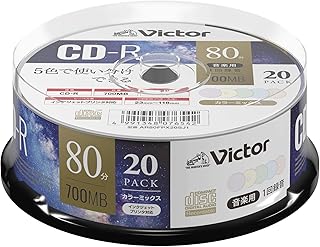
Victor AR80FPX20SJ1 Music CD-R, 80 Minutes, 20 Sheets, Color Mix Printable
Price: $25.98 — Enjoy high-quality music with our CD-R. Key…
-
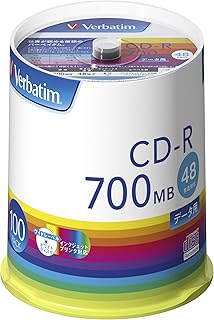
Verbatim Japan SR80FP100V1E CD-R 700MB 100 Sheets, White Printer, 48x Speed
Price: $37.69 — This Single Recording CD-R features a 48x…
-
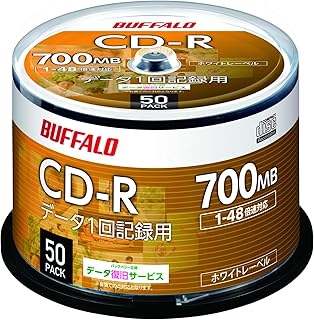
Buffalo RO-CR07D-050PW/N CD-R for Data Recording, 700 MB, 50 Sheets, Spindle, 1-48x Speed, White Label
Price: $32.95 Enjoy peace of mind with our extended 2-year…
-

Mitsubishi Chemical Media MUR80FX10D1-B CD-R for Music, 80 Minutes, 10 Sheets, 0.2 inch (5 mm) Plastic Case, 5 Color Mix
Price: $28.17 Music CD-R // 80 Mins (700MB) / Inkjet…
-
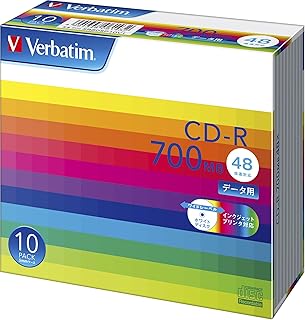
Verbatim Japan SR80SP10V1 Single Record CD-R 700MB, 10 Sheets, White Printable, 48x Speed
Price: $18.59 — This Single Recording CD-R is perfect for…
-
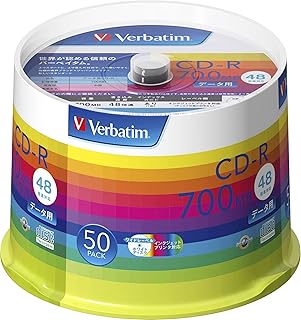
Verbatim Japan SR80SP50V1 CD-R, 700 MB, 50 Sheets, White Printer, 48x Speed
Price: $35.65 — Introducing the Single Recording CD-R with a…
-

Verbatim Japan VBR130YP20V1 Single Recording Blu-ray Disc BD-R, 25 GB, 20 Sheets, White Printerable, Single Side, 1 Layer,…
Price: $28.29 This BD-R Blu-ray disc allows for a single…
-
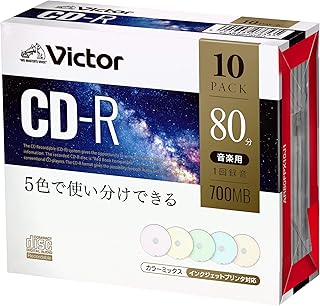
Victor CD-R AR80FPX10J1 for Music (Color MIX/80min/10 Sheets)
Price: $28.50 Music-focused CD-R; Supports high-speed 48x recording; Provides 80…
Latest Technology
- Fujifilm Unveils Revolutionary 1PB Tape Cartridge AdvancementsFujifilm is making strides in the realm of tape storage, with plans to introduce a petabyte tape cartridge that could revolutionize data storage. The potential production of this colossal 1PB tape cartridge, as hinted in a recent company press briefing, signifies a significant leap beyond the current LTO roadmap, with capacities projected to soar well beyond the upcoming LTO-9’s 18TB raw capacity. NESTINGHO 6pcs Tape Cartridge… Read more: Fujifilm Unveils Revolutionary 1PB Tape Cartridge Advancements
- AWS Tape Gateway: Streamlining Backup and Archive SolutionsAWS, a major cloud computing services provider, caters to millions of active customers monthly, offering a range of solutions to support various cloud adoption stages. One common trend among enterprise customers embarking on cloud migration is the initial shift of secondary workloads like backups and archives to the cloud. This strategic move not only showcases immediate benefits but also paves the way for broader cloud integration.… Read more: AWS Tape Gateway: Streamlining Backup and Archive Solutions
- CyberLink DVD Suite 7 Ultra: Comprehensive Multimedia Tools ReviewedThe CyberLink DVD Suite 7 Ultra offers a comprehensive suite of applications for multimedia tasks. The installation process does not allow for individual app installations, and users are prompted to register the software each time they launch an application. Nero Burn Express Version 4 | $45.00 The PowerStart Launcher app provides quick access to various tasks within the suite, resembling a familiar operating system’s taskbar. The… Read more: CyberLink DVD Suite 7 Ultra: Comprehensive Multimedia Tools Reviewed
- Jack Cowin’s Strategy: Reinvention and Core Values Drive Fast-Food SuccessAustralian fast-food billionaire Jack Cowin, the founder and executive chairman of Competitive Foods Australia, shared his success strategy emphasizing reinvestment and focusing on the basics in the industry. Despite the challenges brought about by Covid, Cowin believes that the core principles of serving hot food, cold drinks, and providing friendly service remain unchanged over the past five decades in the fast-food sector. Pyrolux Pyrotherm Stainless Steel… Read more: Jack Cowin’s Strategy: Reinvention and Core Values Drive Fast-Food Success
- Reviving Classic Games: Baking Tapes Unlocks Retro TreasuresBack in the early days of text adventure games, Magnetic Scrolls was a prominent player in the industry, developing titles for platforms like the Amiga and Atari ST. Fast forward to 2017, where Hugh Steers, the co-founder of Magnetic Scrolls, embarked on a mission to revive and re-release these classic games on modern systems. The challenge lay in recovering the original source code from backup tapes… Read more: Reviving Classic Games: Baking Tapes Unlocks Retro Treasures